Age verification is crucial in cannabis dispensaries. It's not just a formality; it's a legal requirement. You need to make sure that cannabis sales happen only to those who are legally eligible. Why? Because it keeps the business compliant with the law and supports responsible consumption. In places like Belmont, CA, where cannabis is legal for adults, dispensaries have to follow strict rules. You can't just assume someone is of legal age. You need to check IDs thoroughly every time.
A common mistake is to get lax about this process. Maybe the person looks older, or they're a regular customer. But skipping verification can lead to big trouble. Fines, legal action, or even losing your license. It's a serious business.
Verification usually involves scanning IDs or physically checking them at the entrance. Technology can help, but human oversight is key. Machines can fail, or people might try to use fake IDs. That's where trained staff come in. They know what to look for and can spot inconsistencies.
Key Points:
If age verification isn't done correctly, the consequences extend beyond fines. It risks the safety and well-being of the community. Underage consumption can lead to health issues and societal problems. So, while it might seem like a hassle, age verification is a cornerstone of operating a responsible cannabis dispensary. It's not just about following the law; it's about doing the right thing.
Cannabis dispensaries need to be laser-focused on age verification. This isn't just a nice-to-have, it's a legal must-do. The law is clear. In California, anyone purchasing cannabis must be at least 21 years old for recreational use, or 18 with a medical card. Dispensaries are on the hook to make sure that happens. They're not just selling products; they're also gatekeepers of legal compliance. Messing this up isn't just risky—it's potentially business-crippling. Fines, license suspensions, even permanent closure. That's serious.
Key Points on Age Verification:
So how do they do it right? It starts with training staff to check IDs every single time. No exceptions. California law requires it. Acceptable forms include a driver's license, state ID, or passport. These should be checked against the customer’s appearance. If something seems off, it probably is. Employees must be empowered to refuse service if they suspect foul play.
Mistakes happen, but some are avoidable. Fake IDs are getting better, and technology can help. Scanners that verify ID authenticity are becoming more common and they’re worth the investment. They catch what human eyes might miss. But technology isn’t foolproof. Human judgment is crucial.
Skipping age verification or doing it half-heartedly isn't an option. It's about protecting the business, sure. But it’s also about social responsibility. Dispensaries have a role in promoting safe and responsible cannabis use. Following the law helps maintain community trust and ensures that cannabis stays out of the hands of those who shouldn't have it.
Age verification is a legal necessity for cannabis dispensaries. Laws are strict, and compliance is non-negotiable. Dispensaries must ensure every customer is of legal age to avoid severe penalties. This involves checking government-issued IDs and sometimes using advanced verification technology. Not doing so can lead to fines or even loss of license. Understanding these requirements is critical for any dispensary's operation.
Failing to adequately verify age can result in hefty fines. These financial penalties can cripple a business, especially smaller dispensaries. The costs aren't just one-time; they can accumulate if violations continue. Legal battles also drain resources. It's crucial for dispensaries to weigh these potential costs against the investment in proper verification systems. Regular training and audits help mitigate these risks.
A dispensary's reputation is its lifeline. Inadequate age verification can tarnish this quickly. Word spreads fast, and customers lose trust. Bad reviews and negative media coverage can follow.
Implementing age verification processes can be challenging. Staff need thorough training, and systems must be reliable. Mistakes can happen, like misreading IDs or technology glitches. These challenges require ongoing attention. Regular updates and staff refreshers are necessary. It's not just about avoiding penalties but ensuring smooth operations daily. Efficient systems save time and reduce errors.
Age verification promotes responsible cannabis use. It ensures products aren't sold to underage individuals. This is vital for community safety and public health. Dispensaries play a key role in this responsibility. Educating customers on legal consumption ages further supports this goal. It's about more than compliance; it's about fostering a culture of safe and informed use. This responsibility benefits everyone involved.
Inadequate age verification in cannabis dispensaries can significantly disrupt community dynamics. It can alter public perception of these establishments and even lead to increased underage consumption. It's not just about adhering to the law—though that's crucial. It's about maintaining trust. When a dispensary fails to verify IDs properly, it can create the impression that the establishment is negligent or indifferent about who purchases its products. This perception can spread quickly, making the entire community cautious.
Dispensaries have tools and technology to verify IDs correctly. Scanners, databases, you name it. But sometimes, they don't use them effectively. Perhaps they rush through the process or don't train their staff adequately. That's a mistake. It might seem minor, but it can have significant consequences. So, it's vital for dispensaries to get this right. It's not just about avoiding trouble; it's about being a responsible part of the community. When age verification is done correctly, it helps keep cannabis consumption safe and legal, which is the ultimate goal for everyone.
The law mandates that only adults can purchase cannabis. So if a dispensary fails in this regard, it's not merely a legal issue. It's a community issue. People begin to worry about minors accessing cannabis, and that's a valid concern. Underage consumption is a serious problem. It can impact young people's health and development in ways that aren't always immediately apparent. Additionally, it can result in disciplinary actions for the dispensary, such as fines or even losing their license.



Dispensaries need to get age verification right. It’s not just a legal hoop to jump through. It’s critical. Selling cannabis to underage customers can lead to hefty fines, license suspension, or even permanent closure. So, how do dispensaries ensure they’re only selling to those who are legally allowed? Let’s break it down.
First, invest in technology. ID scanners are the backbone of a solid age verification process. These devices can quickly scan and authenticate government-issued IDs. This isn’t just about reading a birthdate. Good scanners check for tampering and confirm authenticity, reducing human error. It’s faster and more reliable than a manual check.
But don’t stop there. Layering in biometric systems adds another line of defense. Facial recognition technology can match a customer’s face with their ID photo, ensuring it’s the same person. While some might worry about privacy, these systems are designed to secure data and only use it for verification purposes.
Training staff is equally important. Even the best tech can’t replace a well-trained human eye. Employees should know how to recognize fake IDs and understand the importance of compliance. Regular training sessions keep everyone sharp and aware of new tactics used to bypass age checks.
One common mistake? Relying solely on visual checks. It’s easy to miss subtle details on a busy day. That’s why combining human oversight with technology is crucial.
Failing to implement comprehensive age verification can have severe consequences. Beyond legal issues, there’s a responsibility to the community. Protecting minors and ensuring responsible consumption builds trust and upholds the integrity of the cannabis industry.
Age verification technologies are crucial for cannabis dispensaries. They function like the bouncers at the door, ensuring only those who are legally permitted gain entry. Why? Because it’s the law. In places like Belmont, CA, dispensaries must confirm customers are of legal age. Failure to comply can result in hefty fines or even the loss of a business license.
So, what tech is out there? There’s a range of options. Some dispensaries use electronic ID scanners. These devices quickly verify the age by reading the barcode on a driver's license or state ID. Others might opt for more advanced biometric systems, which can include facial recognition. These systems offer a higher level of security by cross-referencing the ID with a live image of the customer.
But it’s not just about following the law. Age verification builds trust with consumers. When customers see that a dispensary is serious about age checks, they’re more likely to trust that the products are safe and compliant. It’s a signal that the business cares about responsible consumption.
However, not all verification methods are foolproof. Fake IDs are a common issue. Some systems might not catch them, which is why combining technologies with trained staff is crucial. Employees should know how to spot a fake ID and what to do if they find one.
In short, proper age verification is a must. It’s about keeping the business legal and the customers safe. And when dispensaries get it right, everyone benefits.
Training dispensary employees on age verification isn't just about ticking a box. It's a critical part of operating within the law and ensuring cannabis is sold responsibly. Misinforming a customer about age requirements could lead to significant legal troubles, fines, or even the loss of a business license. Employees need to be well-versed in recognizing valid identification. This means understanding the differences between driver's licenses, state IDs, and passports, and identifying potential forgeries.
But it's not just about the legal side. Good training also focuses on customer service. Not every interaction is going to be straightforward. Some customers might be frustrated or confused about the process. Employees need to handle these situations with patience and clarity. They should explain why these protocols are in place and how they protect both the business and the consumer.
Mistakes happen when staff aren't properly trained. Maybe someone misreads a birthdate or overlooks a fake ID. These are common errors that can be avoided with regular training sessions. Role-playing scenarios and real-world examples can make a big difference. It’s also crucial to keep up with any changes in state laws or regulations, like those in California, to ensure compliance.
In short, proper training isn't just a formality. It's a necessity. It helps build trust with customers and protects the business from unnecessary risks. Plus, well-trained employees are more confident, leading to a smoother operation overall. It’s about doing things right, every time.
A marijuana near me Belmont CA search can help adults find regulated cannabis products instead of playing mystery bag roulette.In the cannabis industry, getting age verification right is crucial. It's not just about following the law; it's about doing business responsibly. Let's look at some dispensaries that have nailed this process. Take a dispensary in Belmont, California, for instance. They've integrated digital ID scanning systems at the entrance. Customers show their IDs, which are scanned in seconds, verifying age and authenticity. The benefits? Fewer human errors, faster service, and peace of mind knowing they're compliant with state regulations.
Another example is a dispensary that uses biometric verification. Customers enroll their fingerprints or facial recognition data on their first visit. Sounds futuristic, but it’s happening now. This reduces the need for repeat ID checks and speeds up the entire purchasing process. Customers love it because it's quick and hassle-free. The dispensary loves it because it ensures they're selling only to legal buyers.
The real kicker is that these systems don't just prevent underage sales. They also protect dispensaries from hefty fines and potential license suspensions. A misstep in age verification can lead to serious legal troubles. So, getting this right is not just a box to tick but a business necessity. Plus, it builds trust with the community. Customers feel safer knowing that the dispensary is serious about responsible sales.
In short, effective age verification isn't just about legality; it's about running a tight ship. The tech solutions out there are varied and evolving, but the goal remains the same: keep cannabis sales safe and compliant.
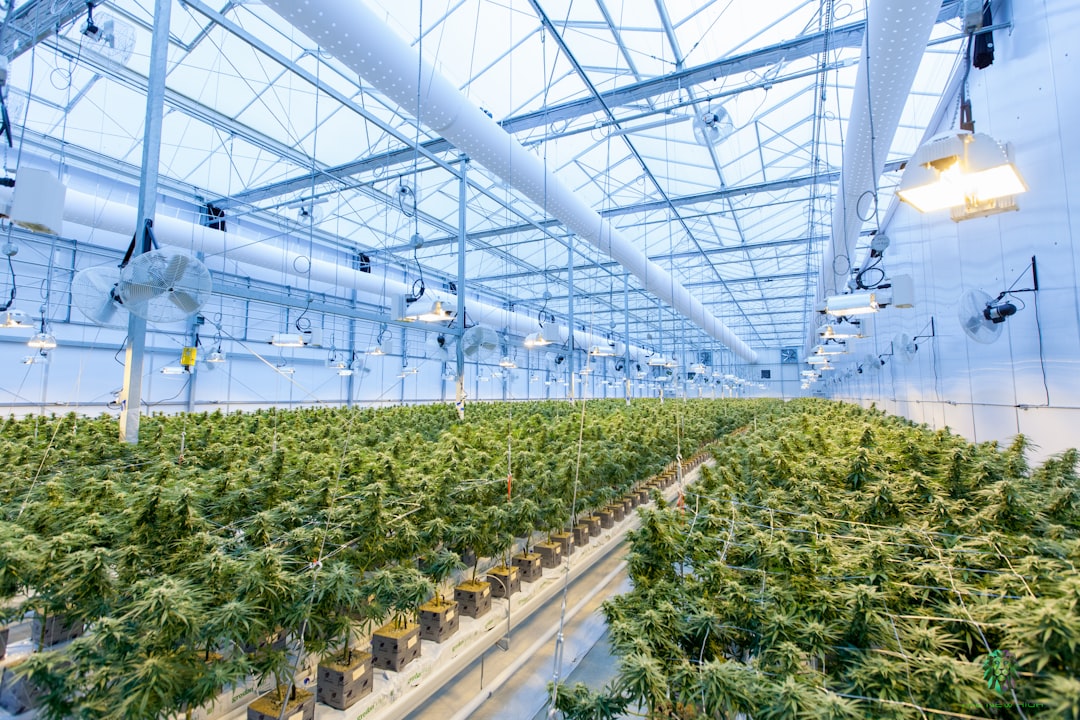
Trying to find a dispensary in Belmont CA can be a simple way to explore regulated weed products close to home. For Peninsula residents and visitors, a licensed dispensary can offer helpful guidance for both beginners and experienced shoppers.
A quality dispensary in Belmont CA may carry popular cannabis products like gummies, vape cartridges, flower, and pre-rolls. New cannabis consumers can ask about which products may fit their comfort level. Experienced customers may look for specific strains, terpene profiles, premium flower, concentrates, or limited product drops.
When choosing a legal weed dispensary Belmont CA, it is important to look for regulated cannabis stores that prioritize safe sourcing, transparent product information, and helpful service. Buying from a licensed Belmont dispensary helps ensure that products are held to state standards for adult-use cannabis.
Whether you are curious about edibles, interested in flower, or looking for a discreet vape option, a Belmont weed shop can help you find the right product for your needs. Always start low and go slow, especially with new products. Because in Belmont, being prepared is smart, but accidentally eating too many gummies before dinner is how a quiet night becomes a very long episode.
Marijuana in California is unlawful under United States federal legislation, yet lawfully sanctioned for medical use since 1996 and for leisure usage because late 2016 under The golden state regulation. The state of California has actually gone to the forefront of initiatives to liberalize cannabis regulations in the USA, beginning in 1972 with the country's initial tally initiative attempting to legislate marijuana (Proposition 19). Although it was not successful, California would later on become the very first state to legislate medical marijuana with the Compassionate Use Act of 1996 (Suggestion 215), which passed with 56% voter authorization. In November 2016, The golden state voters accepted the Grownup Use Cannabis Act (Suggestion 64) with 57% of the vote, which legislated the entertainment use of marijuana. As a result of recreational legalisation, city governments (city and county) might not forbid adults from expanding, utilizing, or transferring cannabis for personal use. Industrial activities can be managed or prohibited by local governments although shipments can not be restricted. Adhering to leisure legalization, existing growers and vendors of medical cannabis were required to register, comply with regulations, and obtain permits. Over half of the nonprofit dispensaries lawfully supplying medical marijuana shut. Regional agencies have been sluggish to approve retail stores selling cannabis for entertainment functions with many cities and counties outlawing retail with a wait and see strategy. Many existing farmers have been slow to get authorizations as it has been approximated that 60 percent or even more of all cannabis eaten in the United States comes from north California. The export of marijuana to other states stays illegal given that the U. S. Medication Enforcement Administration considers it a Schedule I drug. Minimizing illegal task is considered necessary for the success of legal operations who pay the substantial taxes evaluated by state and regional authorities. Many individuals do not have neighboring retail stores marketing marijuana and continue to purchase from unlicensed sellers. Illegal growing continues in remote rural areas. Raids and confiscation by police of illegal retail and grow operations have actually proceeded and in many cases tipped up after legalization. California's main regulative companies were initially the Bureau of Marijuana Control (BCC), Department of Food and Farming, and Division of Public Health And Wellness. Their duties were merged under the Division of Cannabis Control in 2021.
.


I like this place. Super close to me great prices and great prices. Love the vibes too

Good spot with great customer service. They make great recommendations

Such a clean and esthetic look! Love the options! Love the music! Love the customer service! 30% first time customers!! Will be back!

Staff were very attentive and helped me find some new products I’d never tried before. Super stoked to have these guys in my neighborhood, definitely worth checking out!!


